




24/7 ONLINE SUPPORT
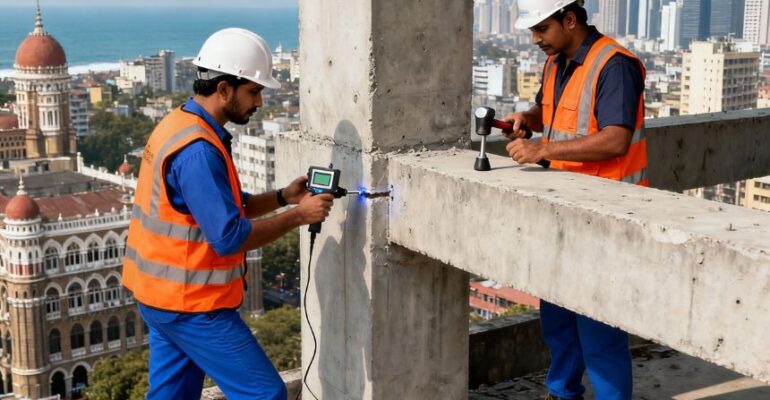
Structural Audit Service
A structural audit is a detailed assessment of a building’s health and stability. At Constrocare, our qualified engineers conduct thorough inspections using Non-Destructive Tests (NDT) as per BMC by-laws no. 77 and prescribed formats. We identify structural defects, seepage sources, and deterioration to ensure safety, durability, and compliance with municipal requirements.
Based on audit findings, we prepare a comprehensive report with repair recommendations, cost estimates, and a Bill of Quantities (BOQ). Our expert analysis helps clients plan effective maintenance, repair, or redevelopment strategies while extending the structure’s lifespan and ensuring safety for all occupants.
Thorough Structural Evaluation
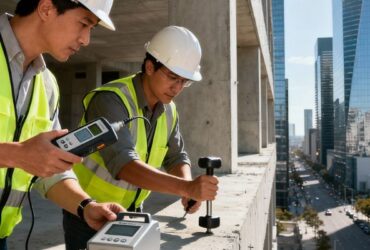
Our expert engineers perform comprehensive structural evaluations using advanced Non-Destructive Tests to detect defects, assess strength, and ensure long-term safety and stability of your building.
Frequently Asked Question
Get clear answers to common questions about structural audits, including inspection procedures, NDT tests, safety evaluations, cost estimation, and certification — helping you understand your building’s condition and maintenance requirements better.